Why Your Dog Thinks They Own the House—And How to Fix It
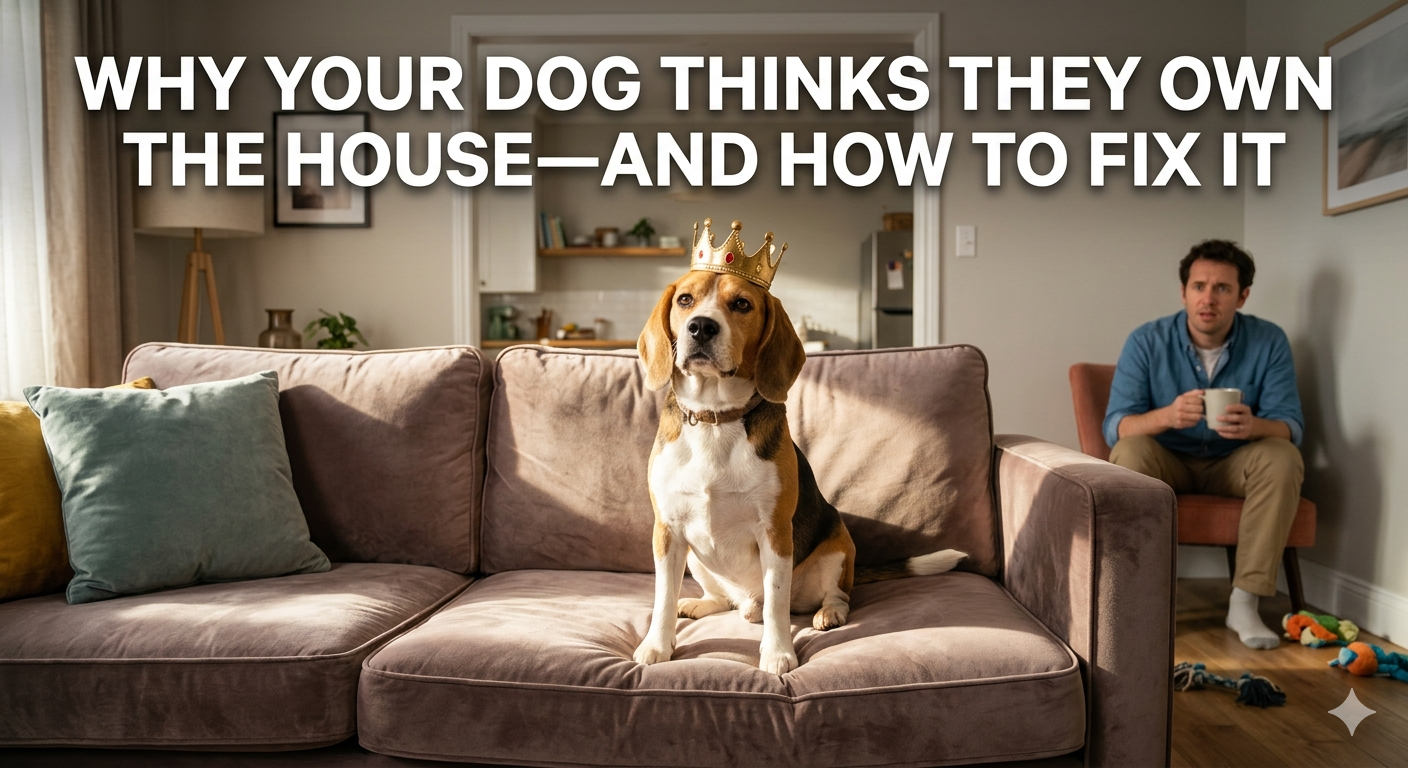
It sounds like your pup has decided they’re the CEO of the household, and while that’s cute in a “boss baby” kind of way, it leads to some pretty stressful behaviors like guarding, reactivity, and “jealousy.”
What we call “dominance” is often just a dog who hasn’t been given clear boundaries. When a dog thinks they own the food, the couch, the porch, and even you, they feel the need to defend those things. By resetting the rules at home, you take the “weight of the world” off their shoulders.
Here is a more coherent, structured guide to reclaiming leadership and minimizing aggressive behaviors in the home.
1. Control the Resources (Food & Toys)
In the wild, the “leader” controls the most vital resources. If food is always available, the dog thinks they own the supply.
-
No Free-Feeding: Put the bowl down for 10–15 minutes. If they don’t eat, pick it up and try again 12 hours later. This teaches them that you provide the food; it doesn’t just “exist” on its own.
-
Hand-Feeding: For the first week or two, feed your dog their meals directly from your hand. This creates a powerful bond and reinforces that all good things come from you. “If there are multiple humans in the home they should rotate on this”
-
Rotated Toys: Don’t leave toys scattered across the floor. Pick them up. You decide when it’s playtime, and you decide when the toys go back in the “vault.”
2. Claim Your Space (Furniture & Boundaries)
Elevated positions (couches, beds) are high-value “real estate.” When a dog is at eye level with you, they perceive themselves as your equal or superior in rank.
-
The “Four on the Floor” Rule: If your dog is showing aggression or guarding, they should lose furniture privileges. No beds, no couches, “not even dog beds”. They need to learn that being on the furniture is a privilege granted by you, not a right.
-
No “Lap Hogging”: Small breeds, especially, tend to “claim” their owners by sitting on them. If your dog tries to pin you down or sit on you to guard you from others, gently move them off.
-
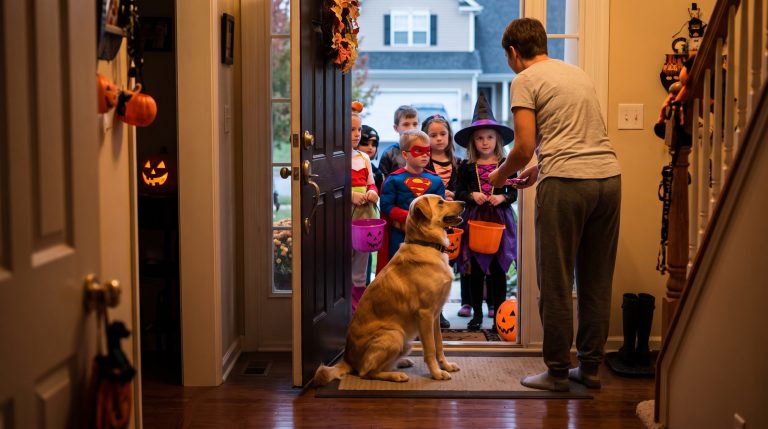
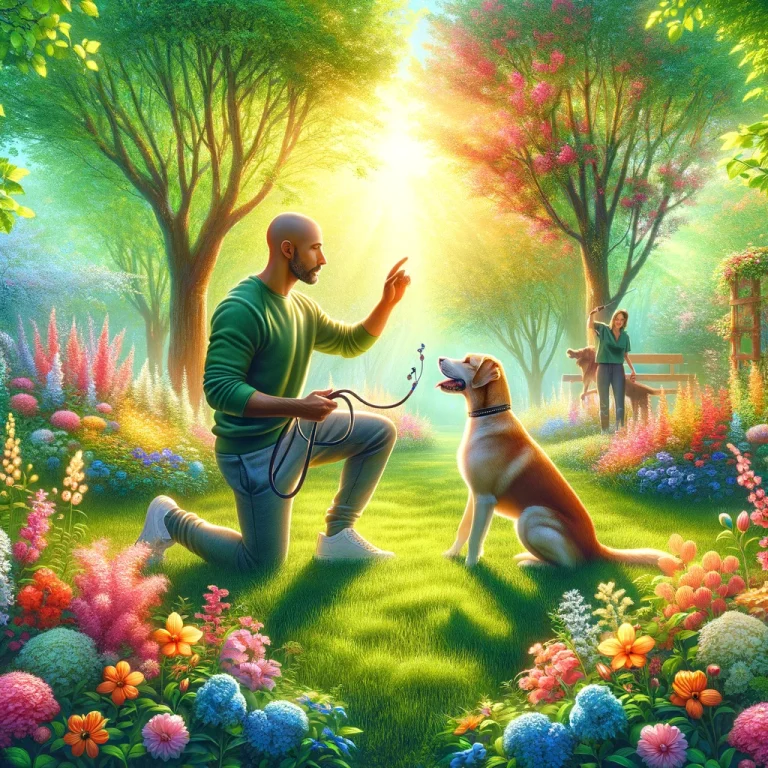
Doorway Etiquette: Never let your dog bolt through the door ahead of you. Make them “Sit” and “Wait,” then you walk through first. This subtly reinforces that you are the one leading the way into new territory.
3. Structure & Supervision
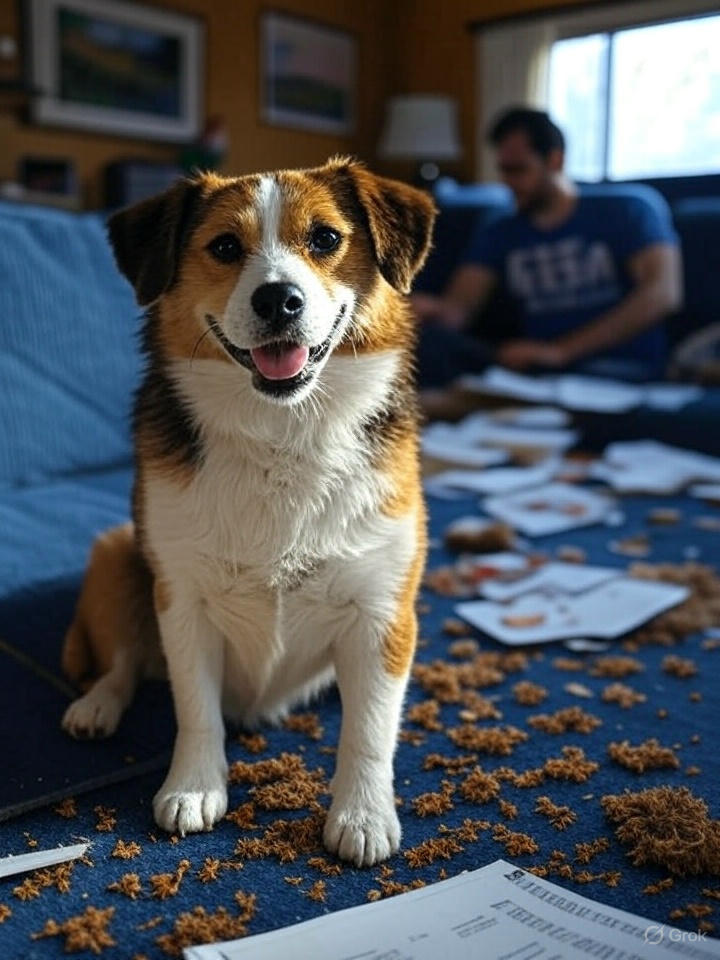
A dog with too much freedom will eventually find a way to get into trouble or start “guarding” the house.
-
Restrict Free Roam: If your dog is guarding the trash or acting aggressive toward guests, they have lost the right to roam the house freely. Use a crate, a playpen, or keep them on a “tether” (a leash attached to your belt or a heavy piece of furniture) so you can monitor and correct behavior instantly.
-
The “Drag Leash”: In less severe cases, let your dog drag a lightweight leash around the house. This allows you to safely move them off furniture or away from a door without getting into a physical “wrestling match” that might trigger a bite.
-
Ignore the “Demand Bark”: If your dog barks or nudges you for attention, ignore them. Wait for them to be calm, then ask for a “Sit” before giving them the affection they wanted.
4. Professional Obedience
You can’t fix a behavior issue if you don’t have a way to communicate. Basic obedience isn’t just about “tricks”; it’s about establishing a language.
-
Relief Through Leadership: Many dogs act aggressive because they are anxious about being “in charge.” When you provide solid commands (Come, Sit, Heel, Leave It), the dog feels a sense of relief knowing that you are handling the situation so they don’t have to.
-
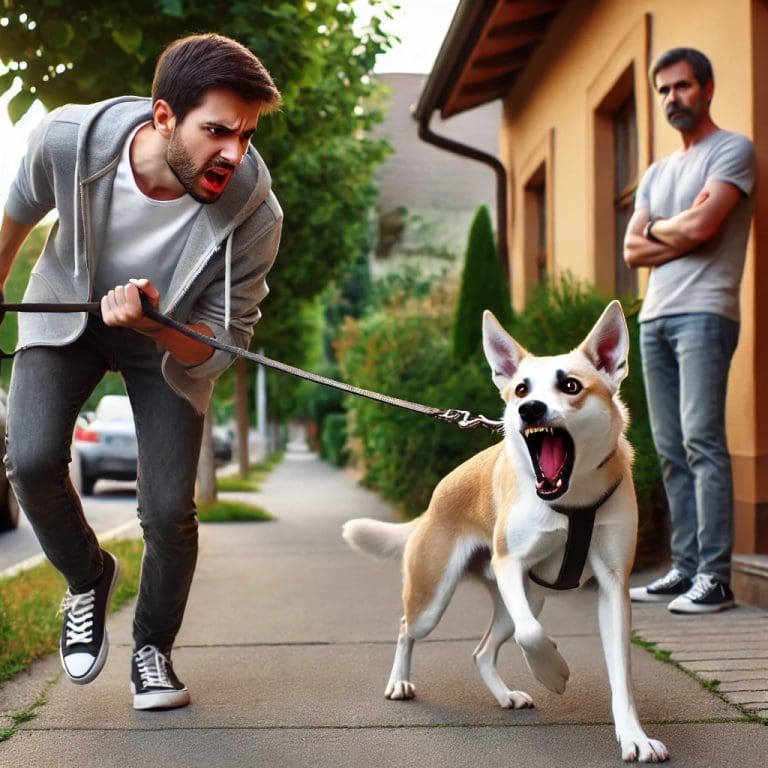
Inadvertent Praising: Be careful not to coddle a fearful or aggressive dog. Petting them and saying “It’s okay” in a high-pitched voice while they are growling or lunging actually rewards that behavior. Stay calm, firm, and silent until the dog settles.
5. Socialization Redefined
Socialization isn’t just “playing with other dogs.” It is the ability to remain neutral and calm in the presence of new people, smells, and environments.
-
Quality over Quantity: Having two dogs at home does not mean they are socialized. They need to see the world.
-
Neutrality is the Goal: You don’t need your dog to love every stranger; you just need them to ignore every stranger. Use your obedience training to keep their focus on you when things get “scary” or exciting outside.
The Bottom Line
Most aggression cases stem from unchecked status issues. Your dog doesn’t need to be punished; they need to be managed. By controlling the food, the space, and the movement in your home, you shift the dynamic from your dog being a “bodyguard” to being a “companion.”