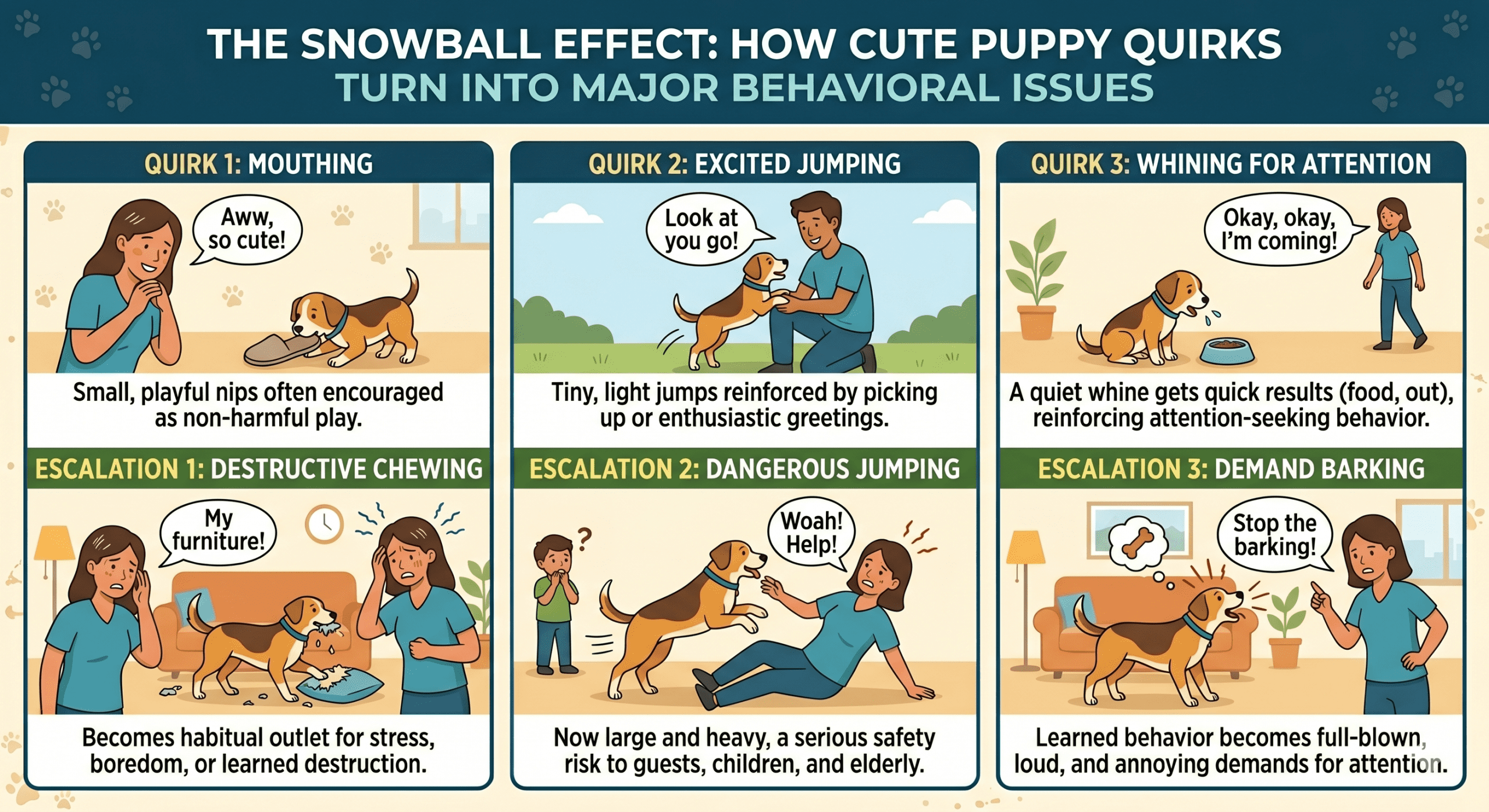
The Snowball Effect: How Cute Puppy Quirks Turn Into Major Behavioral Issues
When you bring home an eight-week-old puppy, almost everything they do is adorable. When a tiny furball trips over their own paws to jump up on your shin, your first instinct is to scoop them up and give them love.
But fast forward a year. That tiny furball is now an 80-pound adult dog, and they are still jumping. Only now, it’s not cute—it’s dangerous.
In dog training, we call this the Snowball Effect. What starts as a minor, manageable quirk in a puppy can easily roll into a deeply ingrained, frustrating behavioral issue in an adult dog. Here are the three most common snowballs we see, and why early intervention is critical.
The “Say Hi to Everyone” Snowball
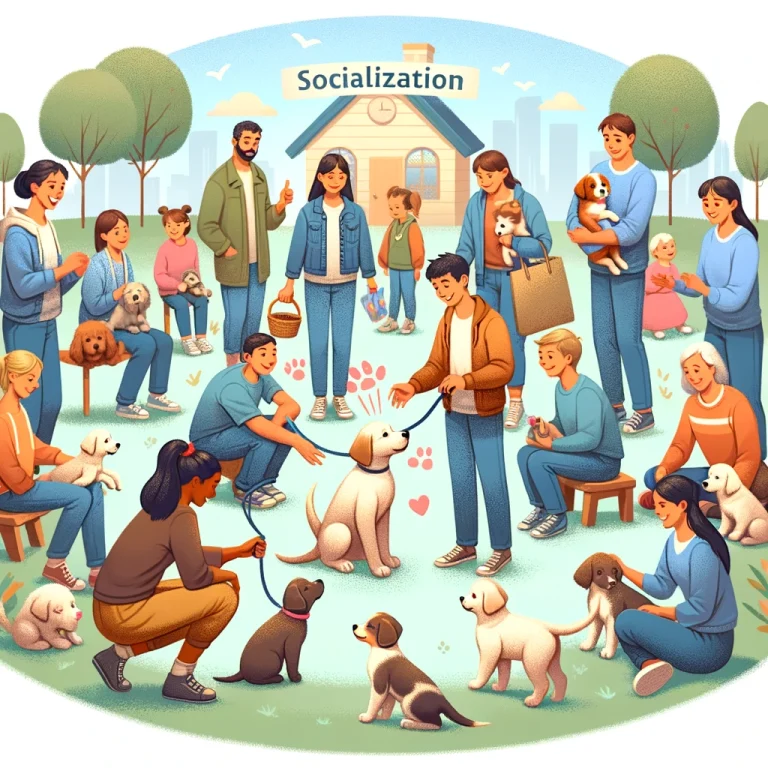
The Quirk: Your puppy wants to drag you across the sidewalk to greet every single dog and human they see. It’s just friendly socialization, right?
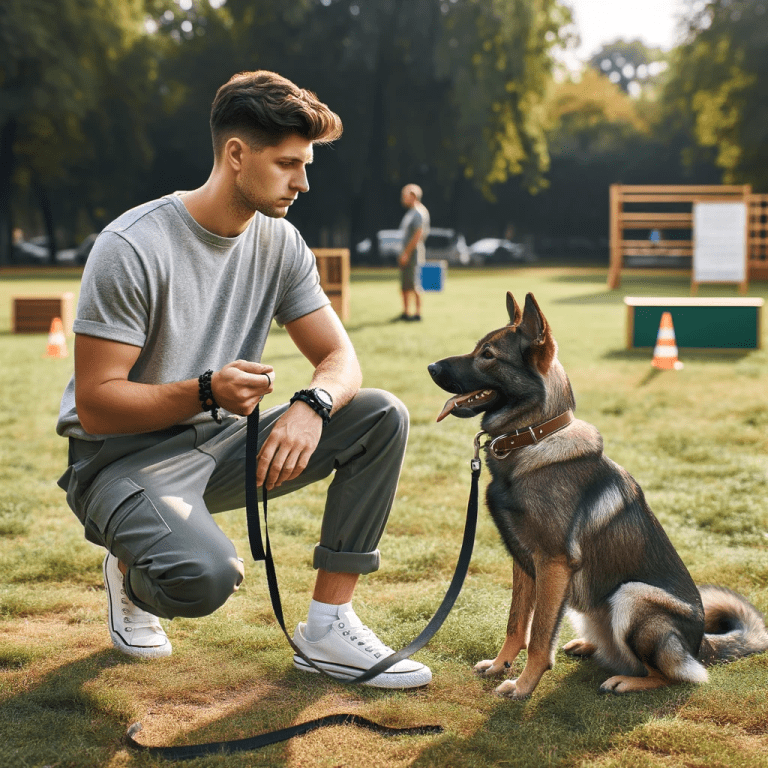
The Avalanche: Leash reactivity. When a dog is constantly allowed to pull toward what they want, they build a massive amount of frustration when they are eventually told “no.” That frustration quickly turns into barking, lunging, and chaotic behavior on walks.
The “Nippy Player” Snowball
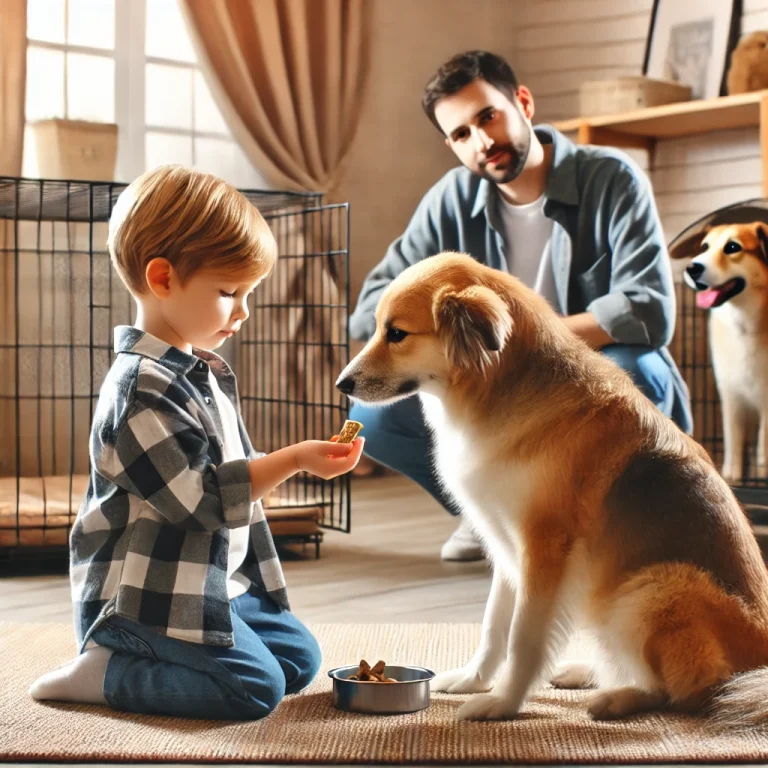
The Quirk: Your puppy mouths your hands during play. Their teeth are sharp, but they don’t have jaw strength, so you tolerate it or playfully push them away.
The Avalanche: Poor bite inhibition and lack of boundaries. Play-biting that is ignored or inadvertently encouraged turns into an adolescent dog that uses their teeth to communicate frustration, demand attention, or initiate play with guests who might be terrified of them.
The “Follow Me Everywhere” Snowball
The Quirk: Your puppy whines if you close the bathroom door and insists on sleeping on your feet while you work. It feels like a strong bond.
The Avalanche: Separation anxiety. A dog that never learns how to self-soothe or be comfortable in their own company will panic when you eventually have to leave the house for eight hours.
Melting the Snowball
The rule of thumb is simple: Do not allow a puppy to do anything you wouldn’t want a full-grown adult dog to do.
If your dog is already out of the puppy phase and these behaviors are fully ingrained, don’t panic. Dogs are incredibly adaptable, and it is never too late to reshape their behavior. It just takes a bit more structure, clear communication, and the right strategy to get them back on track.