No Time to Train? How to Fit Dog Training Into Your Daily Routine
When people think about training a dog, they usually picture packing up the car, driving to a field, and spending an uninterrupted hour drilling commands.
Let’s be honest: between work, family, and life, who has a spare hour every day?
The good news is that you don’t need it. In fact, training your dog in one isolated block is often less effective than teaching them how to behave during your actual, messy daily life. The secret to a well-behaved dog isn’t extra time—it’s lifestyle integration.
By turning everyday routines into mini-training sessions, you can easily build hours of obedience into your dog’s week without waking up a single minute earlier. Here is how to do it.
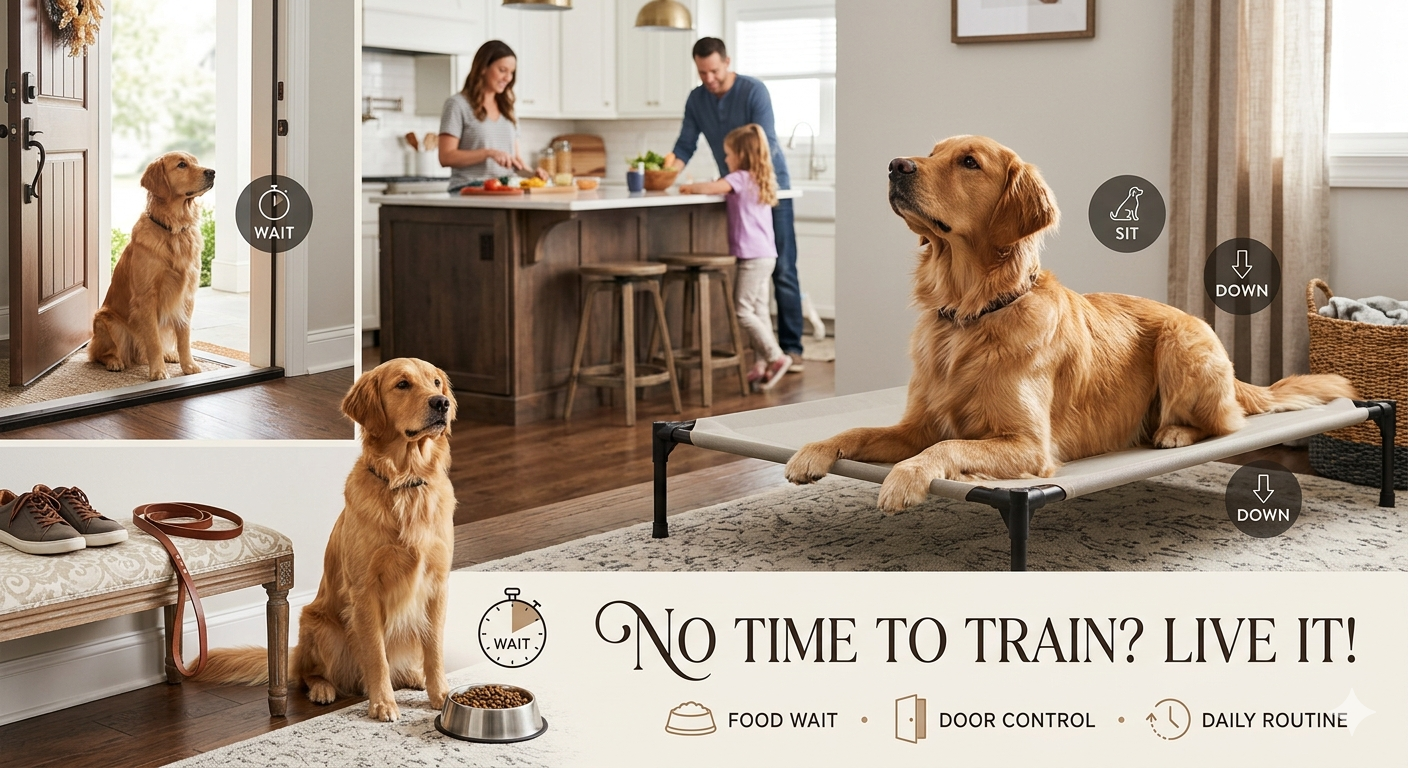
1. The Mealtime Boundary (Sit/Down or Place)
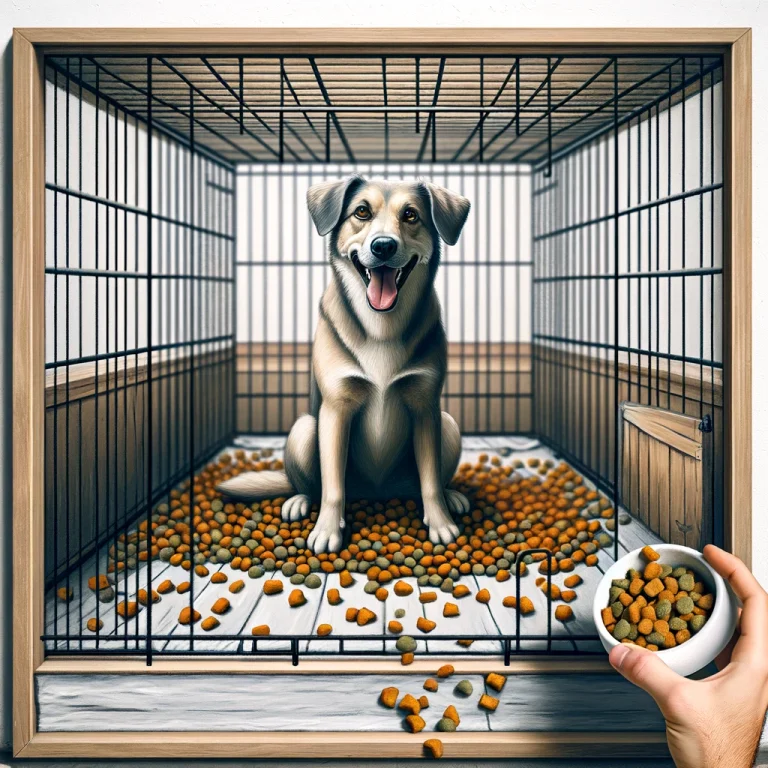
Your dog eats every single day, making mealtime the perfect, high-motivation trigger for impulse control. Instead of letting them dance around your legs or slide across the kitchen floor while you scoop kibble, turn it into a structured drill.
-
The Setup: Ask your dog for a Sit/Down or Place before you even touch the food bowl.
-
The Action: Keep them in that position while you lower the bowl all the way to the floor. If they break position to rush the food, calmly lift the bowl back up and reset them.
-
The Release: Once the bowl is on the ground and they are holding a steady, focused stay, use your clear release word (like “Break!” or “Free!”) to let them eat.
-
Leveling Up: As your dog gets better at this, increase the distance and time. Put them in a Down across the room or even in the next hallway. Put the food bowl down, walk back over to your coffee, take a sip, and wait a full 60 seconds before giving them the release command from across the room.
2. Threshold Control at the Back Door
Do you get rushed or nearly knocked over every time you let your dog out into the yard? Doors are high-arousal zones. Teaching your dog that an open door is not an invitation to bolt is a massive safety win.
-
The Setup: Approach the back door and ask your dog to Sit or Place on a nearby mat.
-
The Action: Slowly crack the door open. If your dog moves their paws, shut the door immediately. You aren’t being mean; you’re letting the environment teach the lesson: calmness opens doors, rushing closes them.
-
The Release: Once the door is wide open and your dog is looking at you for permission, give your release command to let them burst out into the yard.
-
Leveling Up: Once they can sit patiently right next to the door, move their starting position further back into the house. Put them in a Place command ten feet away from the door, walk to the door, open it completely, and make them wait out of sight for 30 seconds before releasing them to go outside.
3. The “Pre-Walk” Calibration
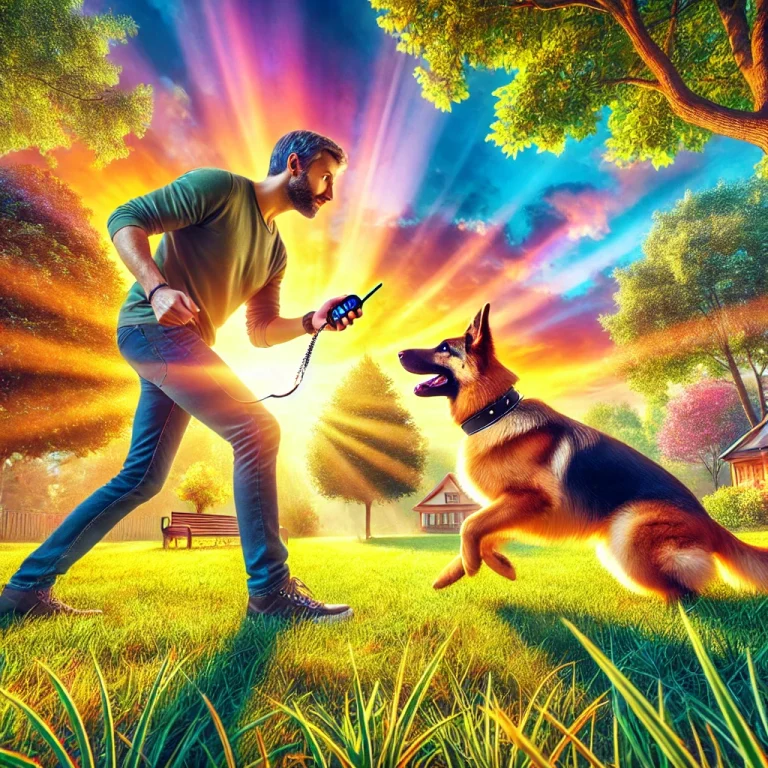
We’ve all seen it: the moment the leash comes out, the dog turns into a spinning whirlwind of excitement. If you clip the leash onto a hyperactive dog, you are going to have a hyperactive walk.
-
The Setup: Pick up the leash. If your dog goes crazy, set it back down and walk away. Wait for them to settle.
-
The Action: Require a steady Sit or Down while you clip the leash to their collar. If they break, the leash goes away.
-
The Release: Walk to the front door, open it, and require one more brief stay before releasing them to cross the threshold with you. This sets a calm tone for the entire walk before your feet even hit the sidewalk.
-
Leveling Up: Instead of clipping the leash while standing right over them, build distance and duration. Have your dog hold a Down on the other side of the living room while you pick up the leash, untangle it, and put on your shoes. Make them hold that position for two full minutes before you walk over to clip them in.
4. Multi-Tasking with “Place” While You Live Life
The Place command (sending your dog to an elevated bed or mat where they must stay until released) is the ultimate lifestyle hack. You don’t need to stand there staring at them to build duration. Let them hold a Place command while you complete your normal household tasks:
-
Leveling Up: When your dog reliably holds Place in the same room as you, increase the challenge. Send them to a Place bed located in a completely separate room where they can only hear you moving around, or deliberately extend the time—challenge them to hold a relaxed Down/Sit on their place cot for 20 to 30 minutes while you get through a longer project.
Why This Works (The Science of Residual Gains)
Think of these moments like a financial investment. A 2-minute stay before breakfast, a 3-minute stay while you fold laundry, and a 1-minute door threshold drill might not feel like much on their own. But add them up across 3 or 4 routines a day, and your dog is getting 30 to 40 minutes of high-level obedience training every single day.
Best of all, your dog learns that obedience isn’t a game you play only when you have treats in your hand—it’s simply the key that unlocks everything they want in life.
The Golden Rule: Never let the environment release your dog. Whether it’s food, the backyard, or a walk, you are the one who gives the release word.
Stop looking for extra hours in your day. Look for the open gaps in your current routine, claim them for training, and watch your dog’s behavior transform.